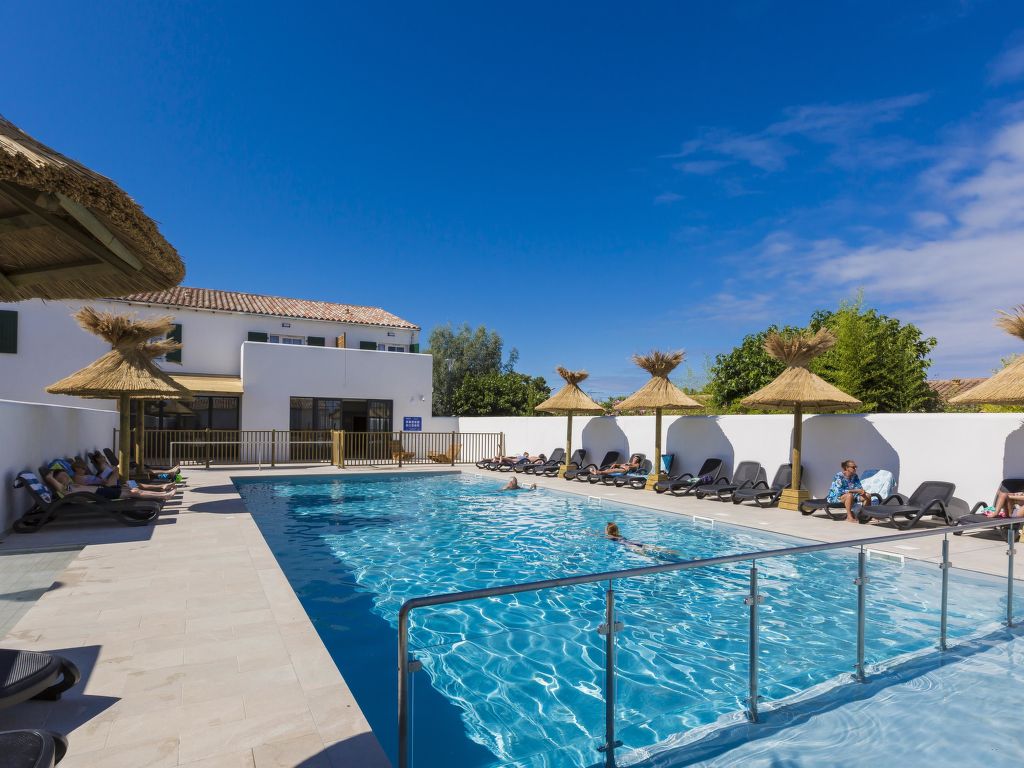
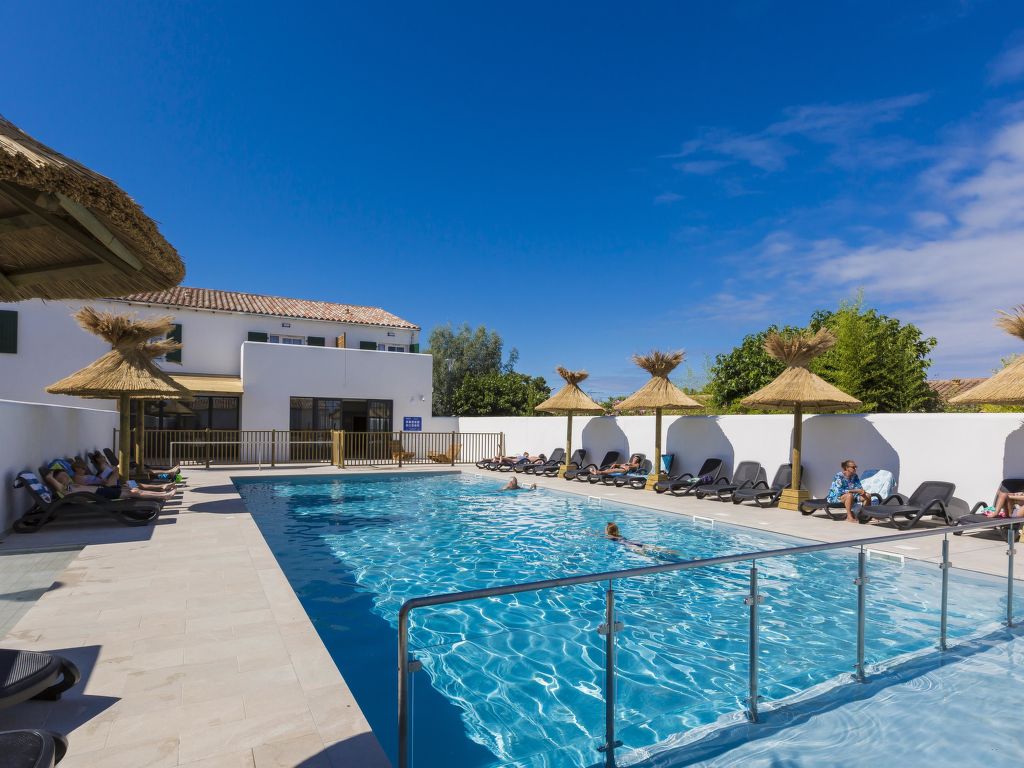
3-room house 65 m2. Fully renovated in 2025, very beautiful furnishings: living/dining room with 1 double sofabed (140 cm, length 190 cm), TV (flat screen), radio and CD-player. Exit to the terrace. 1 room with 1 french bed (160 cm, length 200 cm). 1 room with 1 french bed (140 cm, length 190 cm). Open kitchen (oven, dishwasher, 4 induction hot plates, toaster, kettle, microwave, freezer, electric coffee machine). Exit to the terrace. Shower, sep. WC. Electric heating, air-conditioning. Terrace. Terrace furniture, barbecue, deck chairs (4). Facilities: washing machine. Internet (WiFi, free). Please note: non-smoking house. Maximum 1 pet/ dog allowed. Smoke alarm. Offer by a private individual according to Art. 155, IV of CGI. 17297000376Q9
Location: Bay of Biscay, Atlantic coast of France, part of the Charente-Maritime department in the Nouvelle-Aquitaine region.
Size: Approximately 30 km long and 5 km wide.
Main Villages: Saint-Martin-de-Ré (a UNESCO World Heritage Site), La Flotte, Ars-en-Ré, Le Bois-Plage-en-Ré, and Les Portes-en-Ré.
Landscape: Flat terrain, pine forests, vineyards, salt marshes, sandy beaches, and picturesque harbors. Often called the "White Island" for its pale buildings and luminous light.
History
Roman Era: Evidence of Gallo-Roman occupation, particularly salt production.
Middle Ages: Became strategically important for trade and defense; salt and wine were major exports.
17th Century: Heavily fortified by Vauban, Louis XIV’s military engineer. The citadel of Saint-Martin-de-Ré was built to protect against English invasions.
1627: Site of the Siege of Saint-Martin-de-Ré during the Anglo-French wars—English forces under the Duke of Buckingham attempted to take the island.
19th–20th Century: Became a penal colony transit point; later developed into a tourism hub.
Today: A popular destination for French families and international visitors, especially Parisians.
Typical Food
Île de Ré is known for its fresh, local, and seasonal produce. Signature foods include:
Oysters and seafood – Especially oysters from Ars-en-Ré and La Flotte, mussels, clams, and fish.
Salt (Fleur de Sel) – Harvested from the island’s salt marshes.
Potatoes (Pommes de terre de l’Île de Ré) – AOC-protected, early-season variety prized for its delicate flavor.
Goat cheese – Often flavored with island herbs.
Pineau des Charentes and Cognac – Local fortified wine and brandy.
Caramel with fleur de sel – A local specialty found in sweets and desserts.
Activities
Cycling – Over 100 km of dedicated bike paths connecting villages, beaches, forests, and salt marshes.
Beach time & water sports – Swimming, paddleboarding, sailing, windsurfing, and kitesurfing.
Exploring villages – Walk the cobblestone streets, visit open-air markets, and admire whitewashed houses with green shutters.
Salt marsh tours – Learn about traditional salt harvesting with local sauniers (salt workers).
Bird watching – Particularly in the Lilleau des Niges Nature Reserve.
Historical tours – Visit the Vauban fortifications, old lighthouses like Phare des Baleines, and charming churches.
Local markets – Fresh produce, seafood, artisan goods, and crafts in towns like La Flotte and Saint-Martin.
Horseback riding, tennis, and golf – Various clubs and facilities on the islan