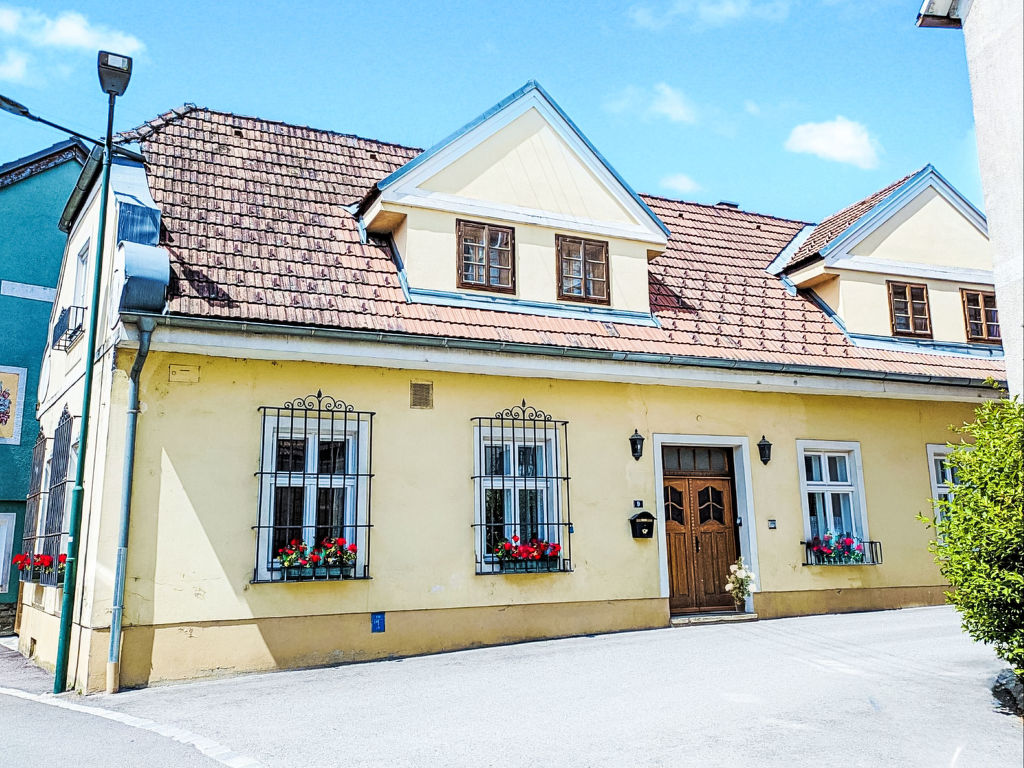
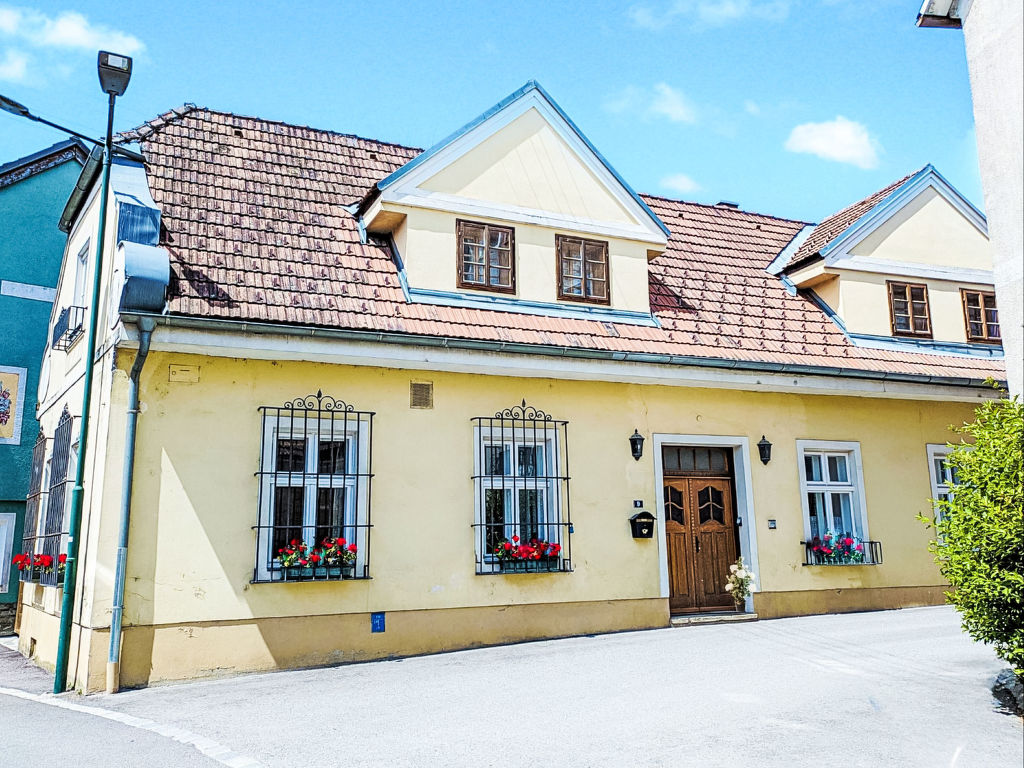
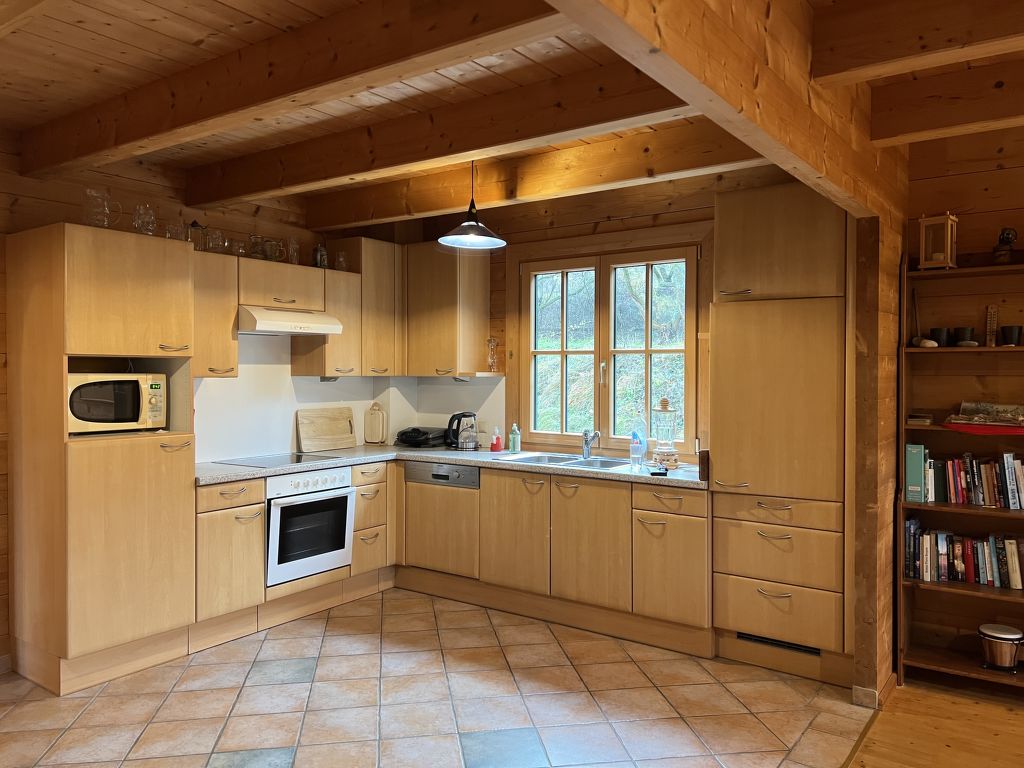
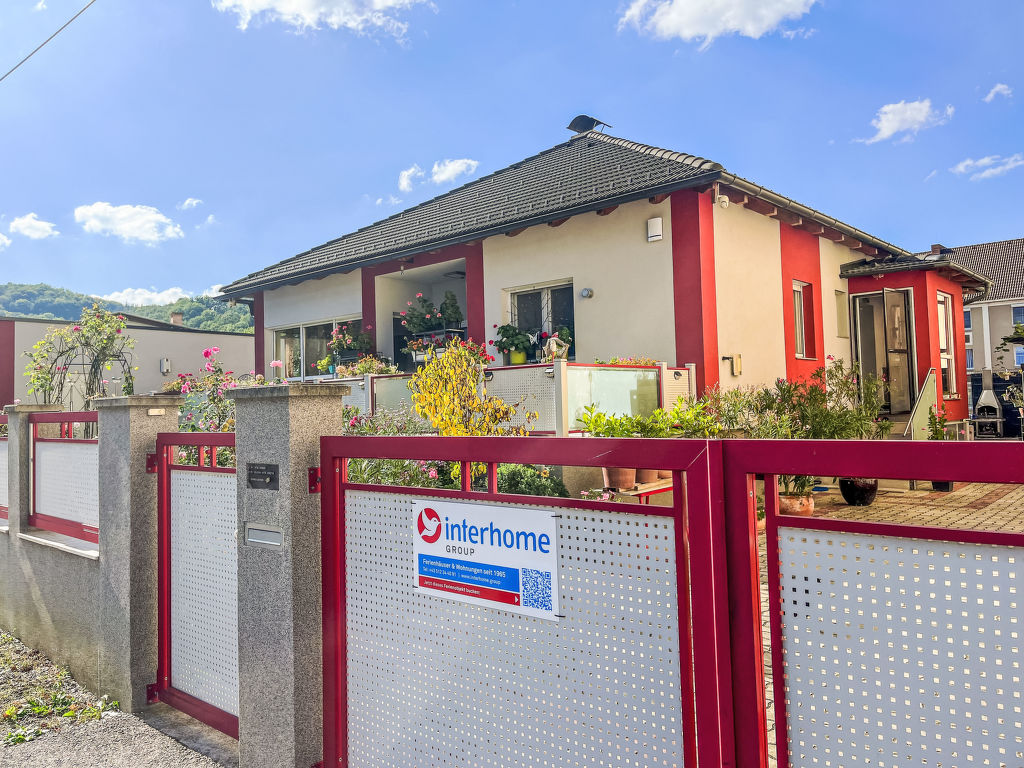
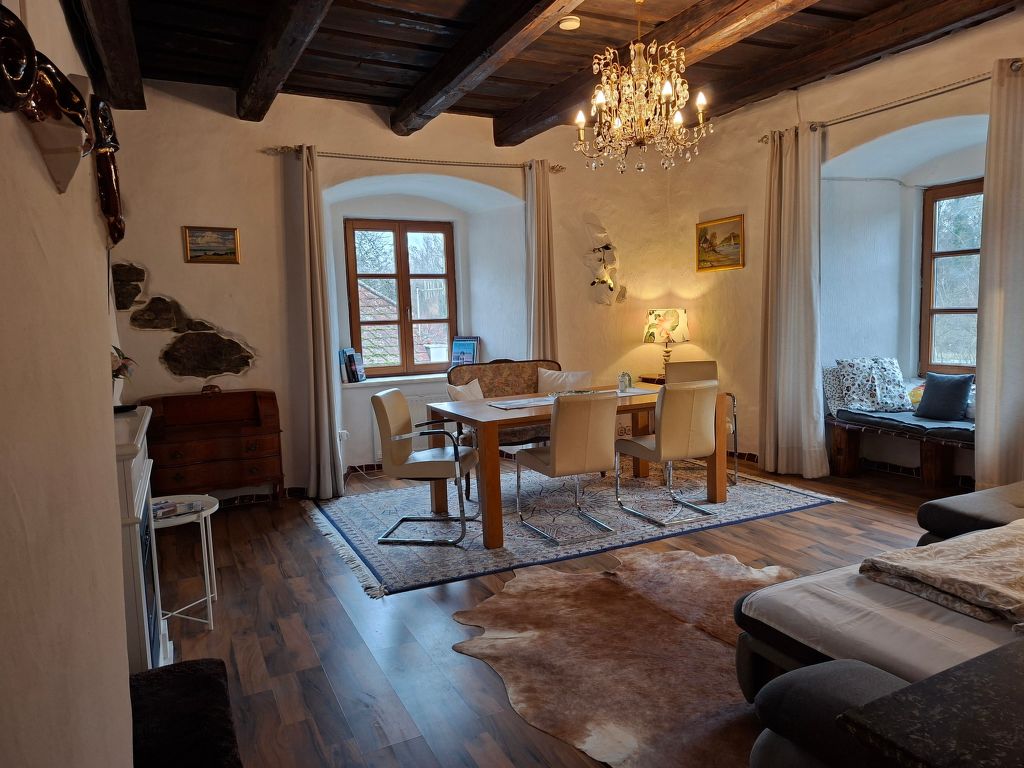
2-room chalet 65 m2. Comfortable and wooden furniture furnishings: entrance hall. Living/dining room with 1 double sofabed (160 cm, length 200 cm), dining nook, radio and tiled stove. Exit to the garden, to the terrace. 1 double bedroom with electric heating. Kitchen (oven, dishwasher, 4 ceramic glass hob hotplates, electric coffee machine) with dining nook. Bathroom, sep. WC. Electric heating. Wooden floors. Terrace. Terrace furniture, barbecue, deck chairs. Very beautiful view of the garden and the countryside. Facilities: hair dryer, logs (free). Internet (WiFi). Please note: non-smokers only. 1 pet/ dog allowed. Heating: tiled stove and 2 mobile electric heaters.
Lower Austria is a land of striking contrasts, surrounding the city of Vienna like a colorful mosaic. It is the country's largest province and offers everything from alpine peaks to sun-drenched vineyards.
A Brief History
Lower Austria is the country's historical heartland. It was here that the name "Ostarrîchi" (Austria) was first mentioned in 996 AD. For centuries, it served as the core of the Habsburg Empire. Due to its strategic location along the Danube River, it is dotted with Roman ruins (such as the ancient city of Carnuntum), medieval fortresses, and opulent Baroque monasteries such as Melk and Göttweig, which served as both spiritual and political centers of power.
The four quarters of Lower Austria and their holiday homes
The region is divided into four main districts, each with its own distinct personality:
Waldviertel: A rugged, mysterious north filled with dense forests and granite boulders.
Weinviertel: Rolling hills and endless vineyards to the northeast.
Mostviertel: Pear orchards and the dramatic "Moststraße" (Cider Road).
Industrieviertel: Home to the "Viennese Alps" and historic spa towns.
Cosy apartments in a historic city centre, secluded villas overlooking the Danube, rustic holiday homes in the vineyards: the region has holiday rentals to suit every taste.
Danube cycling, Alpine hikes, wetland parks and spas
Danube and Wachau Valley: A UNESCO World Heritage Site. It's best explored by bike along the Danube Cycle Path or by boat.
Viennese Alps: Perfect for hiking in summer and skiing in winter (especially Semmering).
National Parks: Donau-Auen National Park protects one of the last great wetlands in Central Europe, while Thayatal National Park offers pristine views of the valley.
Wellness: Relax in world-class thermal spas in Baden bei Wien or Laa an der Thaya.
Typical food and drink
Lower Austria is Austria's "delicacies chamber". Two products stand out: Wachau Apricots (Marillen), used in everything from dumplings (Marillenknödel) to schnapps, and Waldviertel Poppy seeds, often found in sweet pastries and noodles.
In terms of drinks, the region produces world-class Grüner Veltliner wine and refreshing perry cider (Most). A central part of the local lifestyle is the Heuriger culture – traditional wineries where winemakers serve their new wine alongside cold platters of meat, cheese and cold cuts such as Liptauer.
A summer of castle concerts and an autumn of wine festivals
Grafenegg Festival: A leading international classical music festival held in a stunning castle with a futuristic outdoor stage.
Wine Autumn (Weinherbst): From August to November, hundreds of villages celebrate the harvest with vineyard festivals and tastings.
Summer Theater: Various castles (such as Gars or Rosenburg) host open-air opera and theater performances.
Apricot Festival (Alles Marille): Held in Krems every July to celebrate the orange fruit.