{{filter.label}}
Vacation in Aosta area
Aosta Valley: Italy’s Alpine Gem
Tucked away in the northwest corner of Italy, bordering France and Switzerland, the Aosta Valley (Valle d’Aosta) is a high-altitude playground where Alpine grandeur meets ancient Roman history. It’s Italy’s smallest and least populous region, but what it lacks in size it makes up for in sheer vertical drama.
Description: The pinnacle of luxury
A land of “four-thousanders,” the Aosta Valley is home to Europe’s most iconic peaks: Mont Blanc, Matterhorn, Monte Rosa, and Gran Paradiso.
For those seeking the perfect vacation, the region offers a seamless blend of rugged adventure and refined relaxation. Whether you’re looking for a remote mountain getaway or a stay in one of the many restored stone and wood villas dotted across the hillsides, the atmosphere is one of cozy exclusivity. Imagine waking up in a luxury villa with panoramic views of the glaciers, spending your day on the slopes, and returning to a crackling fireplace.
??? History: Rome of the Alps
The region’s history is defined by its strategic mountain passes.
Roman roots: The capital Aosta, founded by Augustus in 25 BC, is often called the “Rome of the Alps.” You can still walk through the Arch of Augustus and see the remarkably preserved Roman theater.
Medieval fortress: In the Middle Ages, the valley became an important transit point for pilgrims and traders. To control these routes, local noble families built over 100 castles, such as Fénis and Bard, which still guard the valley today.
Autonomy: The region is unique in Italy in that it is officially bilingual (Italian and French) and has a special autonomous status.
Typical foods: Hearty Alpine food
The cuisine here is designed to keep you warm. Forget light pasta; think melted cheese and rich stews.
Fontina DOP: The undisputed king of the valley. This creamy, nutty cheese is the base for Fonduta (Italian fondue).
Carbonada: A delicious salted beef stew cooked in red wine and onions.
Polenta Concia: Cornmeal stirred with generous amounts of butter and Fontina cheese.
Tegole: Thin, crispy hazelnut cakes shaped like roof tiles.
Caffè alla Valdostana: A potent blend of coffee, grappa and sugar, served in a “friendship cup” (coppa dell’amicizia) with several spouts for sharing.
Activities: High-altitude adventures
Skiing and snowboarding: World-class resorts like Cervinia (connected to Zermatt), Courmayeur, and La Thuile offer endless runs.
Skyway Monte Bianco: A rotating cable car that takes you to 11,100 feet for 360-degree views of the Alps.
Hiking: Gran Paradiso National Park offers miles of trails where you can spot ibex and chamois.
Thermal spas: Soothe your muscles at the famous Pré-Saint-Didier thermal baths, where you can relax in outdoor hot springs as snow falls around you.
Festivals and traditions
Fiera di Sant'Orso (January 30-31): A thousand-year-old tradition, where hundreds of artisans gather in Aosta to sell wood carvings, lace, and traditional tools.
Bataille de Reines (Battle of the Queens): Don’t worry, it’s bloodless! This is a series of “cow fights” where pregnant cows push each other to determine the matriarch of the herd.
Carnival of Verrès: A historical reenactment of medieval life with parades and grand balls at the local castle.
Nature: Untamed beauty
The region is a haven for biodiversity. Gran Paradiso, Italy’s first national park, was originally a royal hunting ground for King Victor Emmanuel II, who ironically saved the Alpine ibex from extinction. Today, the park is a lush expanse of larch forests, alpine meadows and glaciers.
4 regions in Vacation in Aosta area. Show all
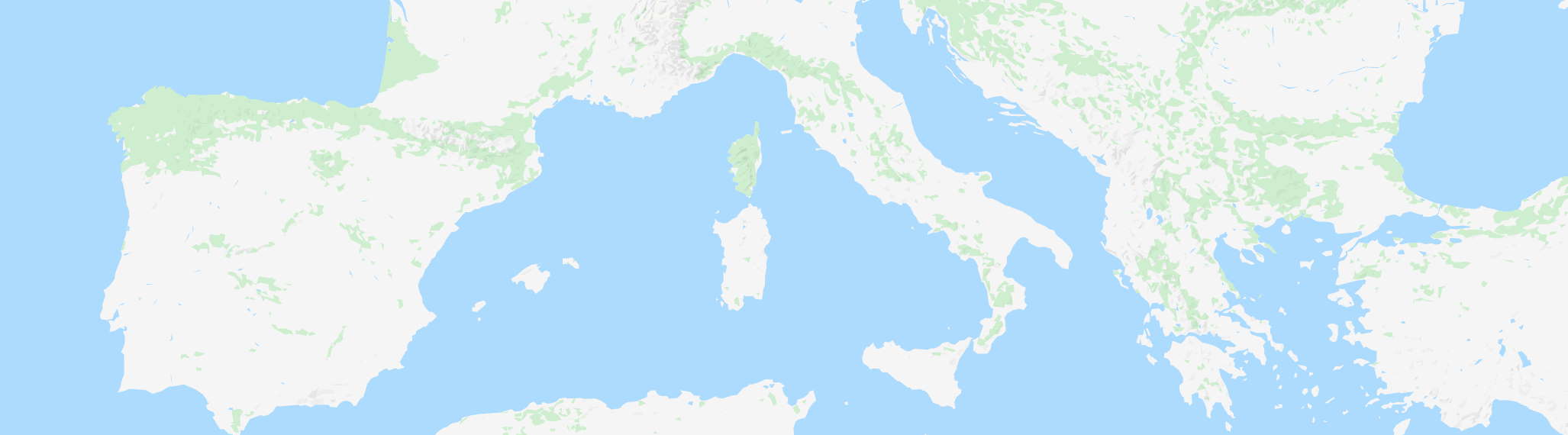
Click to show the map