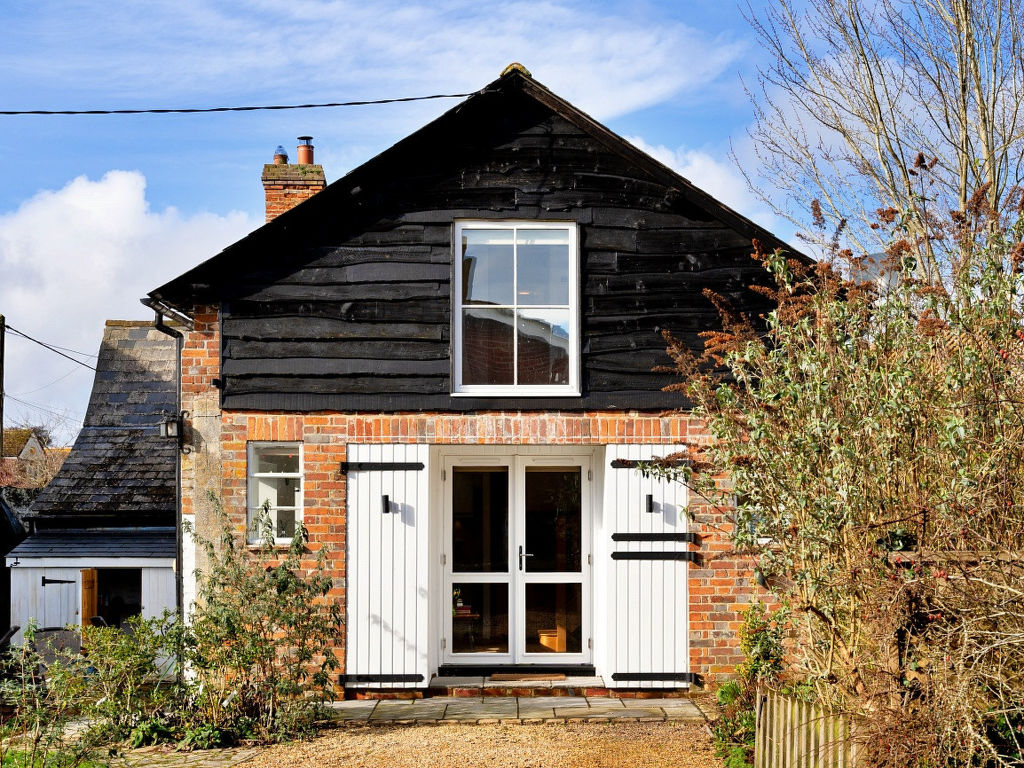
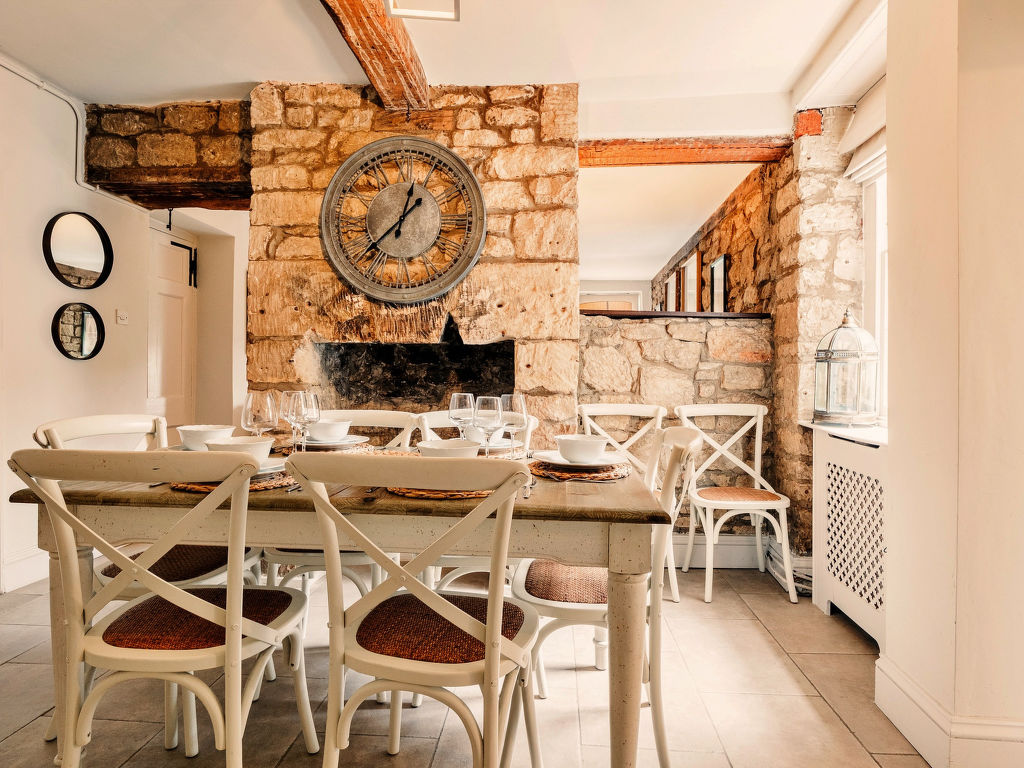
"Arc Painswick", 10-room house 600 m2. Object suitable for 24 adults. Living room with open-hearth fireplace and TV. 1 room with 1 bed, 1 french bed and TV. 1 room with 1 french bed and TV. 1 room with 1 french bed. 1 room with 2 beds and 1 french bed. 1 room with 1 bed and 1 french bed. 1 room with 1 french bed. 1 room with 1 french bed. 1 room with 1 french bed. 1 room with 2 beds and 1 french bed. Kitchen (oven, dishwasher, toaster, kettle, microwave, freezer, electric coffee machine). 2 baths/WC, 8 showers/WC. Barbecue. Facilities: washing machine, dryer, iron, hair dryer. Internet (WiFi, free). Please note: non-smokers only. 2 pets/ dogs allowed. Smoke alarm.
Roman Towns and Medieval Wool Wealth in the Cotswolds
Ancient Roots: The region has been inhabited since prehistoric times, with evidence of Iron Age settlements. During Roman Britain, it was an important area for agriculture and trade, with towns like Cirencester (ancient Corinium) thriving as Roman centers. Medieval Prosperity: The Cotswolds' wealth peaked in the Middle Ages due to the wool trade. The abundant limestone led to the construction of many beautiful churches, manor houses, and market towns, many of which still stand. Historic Sites: Key historic sites include Sudeley Castle, Berkeley Castle, and the Cotswold villages with their distinctive honey-colored stone buildings.
Rolling Hills Dotted with Honey-Coloured Stone Villages
Geography: The landscape features rolling hills, gentle valleys, and high ridges. The Cotswolds' signature limestone is responsible for the beautiful honey-colored stone that characterizes its buildings. Villages: Famous villages include Bourton-on-the-Water, with towering stone bridges and quaint houses; Stow-on-the-Wold, with its antique shops; and Bibury, often called the most beautiful village in England. Architecture: The region boasts historic cottages, market halls, churches, and abbeys, often made from locally quarried limestone.
Cotswold Food and Drink: Lamb, Scones and Local Ales
Local Specialties
Cotswold Lamb: Prized for tender, flavourful meat from sheep grazing the lush pastures. Cheese: The region produces artisanal cheeses like Cotswold White Cheese. Pudding and Pastries: Traditional scones, often served with clotted cream and jam, are a staple.
Drinks
Cotswold Ales and Ciders: Brewed with locally sourced ingredients. Gin and Craft Beers: Increasingly popular with local distilleries and microbreweries. Dining: Many pubs serve classic British fare with a local twist, including hearty stews, pies, and seasonal vegetarian options.
Getting Out Along the Cotswold Way and Beyond
Walking & Hiking: The Cotswold Way stretches 102 miles, offering scenic routes through villages, countryside, and historic sites. Cycling: The area's gentle terrain and quiet lanes make for excellent cycling routes. Heritage Tours: Visit historic houses, farms, and museums that depict rural life and craftsmanship. Gardens & Parks: Explore renowned gardens like Hidcote Manor Garden and Kiftsgate Court Gardens. Water Activities: In the Cotswold Water Park, activities include sailing, kayaking, and birdwatching.
Festivals Around the Cotswolds: Books, Food and Folk
Cheltenham Literature Festival: One of the UK's most prestigious literary events, held annually in October. Cotswold Food Festival: Celebrates local produce, with tastings, demonstrations, and markets. Horticultural & Folk Festivals: Events celebrating local crafts, music, and traditions. Woodland and Folk Festivals: Include storytelling, music, and crafts, highlighting the region’s cultural heritage.
Wetland Birds at the Cotswold Water Park and Along the Rivers
Cotswold Water Park: An important habitat for birds like herons, swans, and kingfishers; also offers cycling, fishing, and wildlife photography. Rivers & Lakes: The Thames and Severn rivers run through parts of the region, offering scenic spots for kayaking and fishing. Protected Areas: Many parts are designated as nature reserves, encouraging conservation of flora, fauna, and habitat diversity. Wildlife: Common species include badgers, foxes, deer, and numerous bird species, especially migratory birds in wetlands.