{{filter.label}}
Villas and holiday apartments on Kos, Greece
Introduction to Kos
Kos is the third largest island in the Dodecanese archipelago in the southeastern Aegean Sea. It is known for its rich classical history, vibrant coastline and lush landscapes, making it one of Greece’s top holiday destinations.
Island Description and Holiday Experiences
Kos uniquely combines ancient charm with modern coastal living. Whether you book a luxury holiday villa with a private infinity pool overlooking the Aegean Sea, rent a beachfront apartment in Kardamena, or stay in a self-contained holiday suite in the heart of Kos Town, the island caters to all travel styles and needs. Its well-paved and flat coastal roads make cycling to the many cozy tavernas by the water incredibly easy and popular, while secluded holiday homes nestled in the hills of Zia offer breathtaking panoramic views of the sunset.
Kos' rich history
The island's strategic location in the Aegean Sea has given it a long and diverse history that can still be experienced today.
Ancient origins and Hippocrates
Kos is world-famous as the birthplace of Hippocrates, known as the father of modern medicine. The ancient Asklepieion, located just outside Kos Town, served in ancient times as a world-renowned healing center, temple, and medical school, where Hippocrates' principles were taught and practiced.
Middle Ages and the Ottoman Era
In the Middle Ages, the Knights Hospitallers left their mark on the island by fortifying it against invasions. Among their works is the impressive Neratzia Castle, which stands at the entrance to Kos Town's harbor. Later, the island fell under Ottoman rule for over four centuries, adding historic mosques and traditional thermal baths to the island's architecture.
Modern times and reunification
After a brief period of Italian rule in the first half of the 20th century – which also left its mark on the island's urban planning and buildings – Kos was officially reunified with Greece in 1948, along with the rest of the Dodecanese.
Typical foods and gastronomy
The local cuisine of Kos is influenced by the island's fresh produce, rich agricultural traditions and unique culinary techniques.
Local cheese and traditional dishes
Krasotyri (Possia cheese): A characteristic local goat's milk cheese, aged in red wine lees (wine lees). This process gives the cheese a dark, purple-brown rind and a delightfully acidic and complex finish.
Pitaridia: A traditional, hand-rolled local egg pasta slowly simmered in a rich and flavorful meat broth.
Pligouri: Bulgur wheat, long-fried or simmered with tender pork and local spices such as cumin.
Chtapodokeftedes: Crispy, deep-fried squid meatballs seasoned with the island's own fresh herbs.
Traditional Drinks
Kanelada: An unusual and incredibly refreshing non-alcoholic drink brewed with a syrup of cinnamon and sugar. It is often served ice-cold mixed with water or sparkling water.
Activities and Experiences on the Island
Whether you are looking for relaxation or adventure, Kos offers a wide range of exciting activities.
Cycling, sailing and natural spas
Cycling around Kos Town: Often called the "bike island", you can easily explore Kos Town's flat, cycle-friendly paths, which stretch along lively harbour promenades and right past ancient ruins.
Sailing and island hopping: Take a day trip by chartered boat or catamaran to nearby islands such as the sponge-diving island of Kalymnos, the tiny islet of Plati, or Nisyros, home to an impressive active volcano.
Thermal baths at Therma: Enjoy nature's own wellness at Therma, where natural, hot and sulphurous springs flow into a rocky coastal basin right on the sea's edge.
Cultural festivals and events
Culture is alive and well on Kos, especially during the hot summer months.
Cultural Events and Local Harvest Festivals
Hippokrateia Festival: A multi-month cultural event during the summer that fills the island with classical music concerts, theater performances, art exhibitions and theatrical reenactments of the original Hippocratic Oath.
Local Harvest Festivals: Regional gatherings held in late summer to celebrate the island’s own produce. These include the popular honey festival in Antimachia, the wine festival in Mastichari and the traditional fish festival in Kefalos.
Nature, Mountains and Coastlines
Kos boasts a surprisingly diverse nature for its size.
Mountains, Forests and Sandy Beaches
Mount Dikaios: The island’s highest peak offers beautiful hiking trails through fragrant pine forests. The trails lead to the idyllic mountain village of Zia, famous for its views.
Plaka Forest: A shady and cool pine forest in the hinterland, particularly famous for its large population of free-ranging peacocks and cozy picnic areas.
Dynamic coastlines: Beach-seekers can enjoy stretches of sand ranging fromthe chalky white sands of Paradise Beach in Kefalos to the protected salt marshes of Tigaki, which seasonally attract beautiful migrating flamingos.
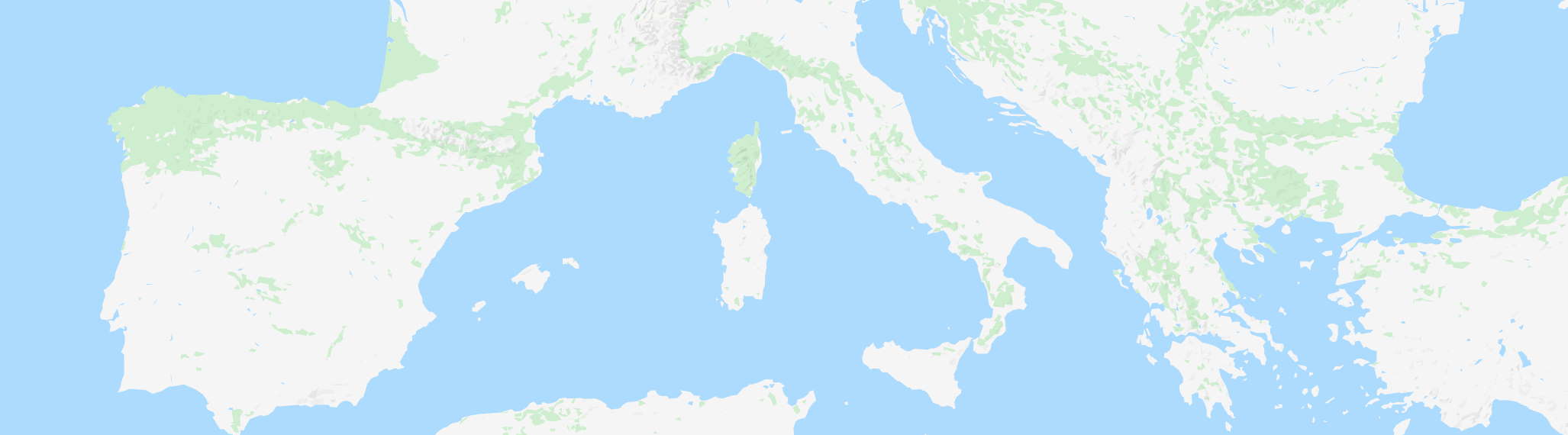
Click to show the map