{{filter.label}}
Lago di Bolsena
Lago di Bolsena, located in the province of Viterbo (northern Lazio), is the largest volcanic lake in Europe and the fifth largest in Italy. Known for its exceptionally clean and crystal-clear waters, it is often referred to by locals as "the lake that you can drink."
1. History & Geological Origin
Volcanic Birth: The lake was formed approximately 370,000 years ago following the collapse of a caldera in the Vulsini volcanic complex. Unlike many crater lakes, it occupies a vast depression formed by this collapse rather than a single crater.
The Islands: In the southern part of the lake are two islands—Isola Bisentina and Isola Martana—formed by subsequent underwater volcanic eruptions.
Ancient Settlements: The area has been inhabited since prehistoric times. It was a vital territory for the Etruscans (who founded the city of Volsinii) and later the Romans, who built the Via Cassia along its shores.
Medieval Heritage: The lake is surrounded by medieval villages like Bolsena, Marta, and Capodimonte. Bolsena is famously the site of the 1263 Eucharistic Miracle, which led to the institution of the Feast of Corpus Christi.
2. Nature & Wildlife
Uncontaminated Environment: It is one of the few large Italian lakes where the water is almost completely bathing-friendly across its entire 43km perimeter.
Flora: The shores feature black volcanic sand beaches, reeds, and fertile surrounding hills filled with olive groves and vineyards.
Fauna: The lake is a haven for birdwatchers, hosting species like gray herons, little egrets, and great crested grebes. The waters teem with fish, including Coregone (whitefish), eels (mentioned by Dante Alighieri in the Divine Comedy), pike, and perch.
3. Typical Foods & Gastronomy
Freshwater Fish: The "King" of the lake is the Coregone (whitefish), typically served grilled or in a delicate sauce. Other staples include fried Lattarini (smelt) and Anguilla (eel).
Sbroscia: A traditional fish soup made by local fishermen using lake water (originally) and various types of lake fish.
Acquacotta: A "poor man’s" soup traditional to the Maremma/Lazio region, made with stale bread, wild greens (chicory), potatoes, and eggs.
Est! Est!! Est!!! di Montefiascone: The region's most famous white wine, which has a legendary history linked to a 12th-century German bishop.
4. Activities & Things to Do
Water Sports: The lake's calm but breezy environment is perfect for sailing, windsurfing, kayaking, and kiteboarding.
Excursions: Boat tours depart from Bolsena and Capodimonte, offering views of the private Isola Bisentina and the rugged Isola Martana.
Hiking & Cycling: A flat path circumnavigates much of the lake, ideal for casual cyclists. The Via Francigena, an ancient pilgrim route to Rome, passes directly through the town of Bolsena.
Archaeology: Visit the Rocca Monaldeschi della Cervara in Bolsena, which houses the Territorial Museum of Lake Bolsena.
5. Festivals & Traditions
Corpus Domini & Infiorata (June): To celebrate the miracle of 1263, the streets of Bolsena are covered in elaborate "flower carpets" (Infiorata) depicting religious scenes.
The Mysteries of Saint Christina (July 23-24): A dramatic festival in Bolsena where locals perform "living tableaus" in the town squares, depicting the various tortures survived by the patron saint.
Sagre (Food Festivals): Various towns hold seasonal food fairs, such as the Sagra del Lattarino in Marta (May) and the Wine Fair in Montefiascone (August).
1. History & Geological Origin
Volcanic Birth: The lake was formed approximately 370,000 years ago following the collapse of a caldera in the Vulsini volcanic complex. Unlike many crater lakes, it occupies a vast depression formed by this collapse rather than a single crater.
The Islands: In the southern part of the lake are two islands—Isola Bisentina and Isola Martana—formed by subsequent underwater volcanic eruptions.
Ancient Settlements: The area has been inhabited since prehistoric times. It was a vital territory for the Etruscans (who founded the city of Volsinii) and later the Romans, who built the Via Cassia along its shores.
Medieval Heritage: The lake is surrounded by medieval villages like Bolsena, Marta, and Capodimonte. Bolsena is famously the site of the 1263 Eucharistic Miracle, which led to the institution of the Feast of Corpus Christi.
2. Nature & Wildlife
Uncontaminated Environment: It is one of the few large Italian lakes where the water is almost completely bathing-friendly across its entire 43km perimeter.
Flora: The shores feature black volcanic sand beaches, reeds, and fertile surrounding hills filled with olive groves and vineyards.
Fauna: The lake is a haven for birdwatchers, hosting species like gray herons, little egrets, and great crested grebes. The waters teem with fish, including Coregone (whitefish), eels (mentioned by Dante Alighieri in the Divine Comedy), pike, and perch.
3. Typical Foods & Gastronomy
Freshwater Fish: The "King" of the lake is the Coregone (whitefish), typically served grilled or in a delicate sauce. Other staples include fried Lattarini (smelt) and Anguilla (eel).
Sbroscia: A traditional fish soup made by local fishermen using lake water (originally) and various types of lake fish.
Acquacotta: A "poor man’s" soup traditional to the Maremma/Lazio region, made with stale bread, wild greens (chicory), potatoes, and eggs.
Est! Est!! Est!!! di Montefiascone: The region's most famous white wine, which has a legendary history linked to a 12th-century German bishop.
4. Activities & Things to Do
Water Sports: The lake's calm but breezy environment is perfect for sailing, windsurfing, kayaking, and kiteboarding.
Excursions: Boat tours depart from Bolsena and Capodimonte, offering views of the private Isola Bisentina and the rugged Isola Martana.
Hiking & Cycling: A flat path circumnavigates much of the lake, ideal for casual cyclists. The Via Francigena, an ancient pilgrim route to Rome, passes directly through the town of Bolsena.
Archaeology: Visit the Rocca Monaldeschi della Cervara in Bolsena, which houses the Territorial Museum of Lake Bolsena.
5. Festivals & Traditions
Corpus Domini & Infiorata (June): To celebrate the miracle of 1263, the streets of Bolsena are covered in elaborate "flower carpets" (Infiorata) depicting religious scenes.
The Mysteries of Saint Christina (July 23-24): A dramatic festival in Bolsena where locals perform "living tableaus" in the town squares, depicting the various tortures survived by the patron saint.
Sagre (Food Festivals): Various towns hold seasonal food fairs, such as the Sagra del Lattarino in Marta (May) and the Wine Fair in Montefiascone (August).
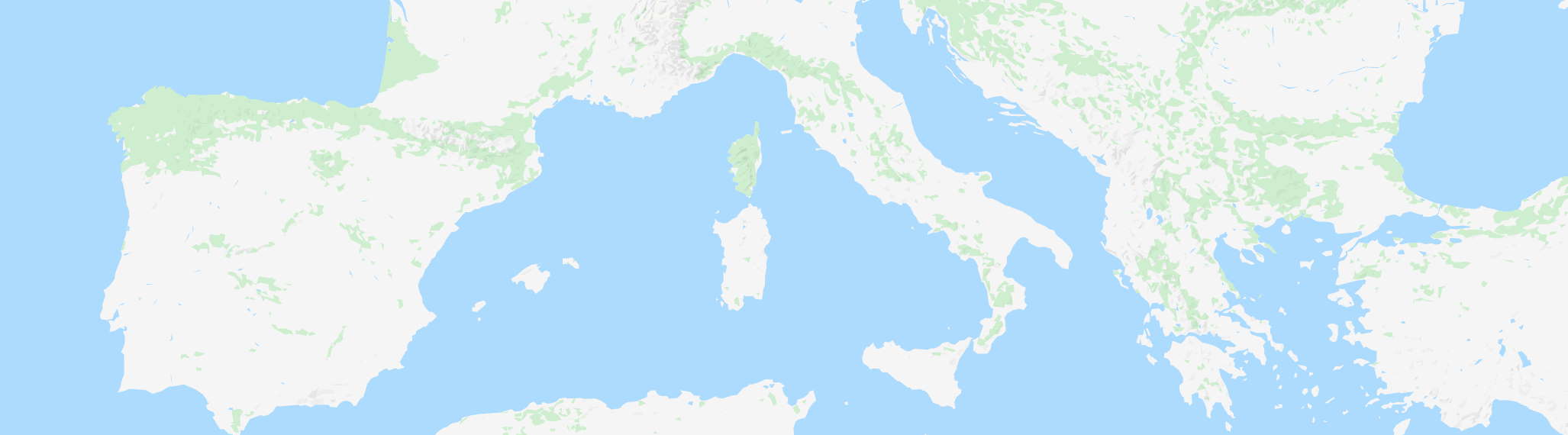
Click to show the map