{{filter.label}}
Holidays in Narbonne
Founded in 118 BC as Narbo Martius by the Romans, Narbonne was the first Roman colony outside Italy.
It was a major trading and military hub thanks to its location on the Via Domitia (Rome-to-Spain road) and near the Mediterranean coast.
In the Middle Ages, it became a religious center with its powerful archbishopric.
Over time, sedimentation and changes in the coastline led to the decline of its port.
Despite this, Narbonne remained a cultural and administrative center.
Description
Location: Southern France, in the Aude department, Occitanie region.
Landscape: Near the Mediterranean Sea, between vineyards and lagoons.
Architecture: A mix of Roman ruins, Gothic cathedrals, and medieval streets.
Notable Sites:
Canal de la Robine: A scenic canal listed as a UNESCO World Heritage Site.
Narbonne Cathedral (Saint-Just-et-Saint-Pasteur): An unfinished yet majestic Gothic structure.
Horreum: An underground Roman warehouse still open to visitors.
Archbishop’s Palace: Houses museums and offers panoramic views.
Typical Food
Narbonne is influenced by Occitan and Mediterranean cuisine, with an emphasis on seafood, olive oil, and local wines.
Cassoulet: A hearty bean and meat stew (popular across Languedoc).
Brandade de morue: Salt cod puree with olive oil and garlic.
Tapenade: Olive spread served with bread.
Tielle: Octopus pie originally from nearby Sète.
Seafood platters: Oysters, mussels, and clams from nearby lagoons.
Wines: Especially Corbières and Minervois AOC wines from the surrounding vineyards.
Activities
Historic Tours: Explore Roman and medieval sites with guided or self-paced walks.
Canal boat rides or cycling along the Canal de la Robine.
Wine tasting at local caves and vineyards.
Market visit: Les Halles de Narbonne is a traditional covered food market worth exploring.
Beach day: Narbonne-Plage is about 15 km away.
Festivals: Look out for Musicales de Narbonne, Patrimoine Days, and local wine festivals.
It was a major trading and military hub thanks to its location on the Via Domitia (Rome-to-Spain road) and near the Mediterranean coast.
In the Middle Ages, it became a religious center with its powerful archbishopric.
Over time, sedimentation and changes in the coastline led to the decline of its port.
Despite this, Narbonne remained a cultural and administrative center.
Description
Location: Southern France, in the Aude department, Occitanie region.
Landscape: Near the Mediterranean Sea, between vineyards and lagoons.
Architecture: A mix of Roman ruins, Gothic cathedrals, and medieval streets.
Notable Sites:
Canal de la Robine: A scenic canal listed as a UNESCO World Heritage Site.
Narbonne Cathedral (Saint-Just-et-Saint-Pasteur): An unfinished yet majestic Gothic structure.
Horreum: An underground Roman warehouse still open to visitors.
Archbishop’s Palace: Houses museums and offers panoramic views.
Typical Food
Narbonne is influenced by Occitan and Mediterranean cuisine, with an emphasis on seafood, olive oil, and local wines.
Cassoulet: A hearty bean and meat stew (popular across Languedoc).
Brandade de morue: Salt cod puree with olive oil and garlic.
Tapenade: Olive spread served with bread.
Tielle: Octopus pie originally from nearby Sète.
Seafood platters: Oysters, mussels, and clams from nearby lagoons.
Wines: Especially Corbières and Minervois AOC wines from the surrounding vineyards.
Activities
Historic Tours: Explore Roman and medieval sites with guided or self-paced walks.
Canal boat rides or cycling along the Canal de la Robine.
Wine tasting at local caves and vineyards.
Market visit: Les Halles de Narbonne is a traditional covered food market worth exploring.
Beach day: Narbonne-Plage is about 15 km away.
Festivals: Look out for Musicales de Narbonne, Patrimoine Days, and local wine festivals.
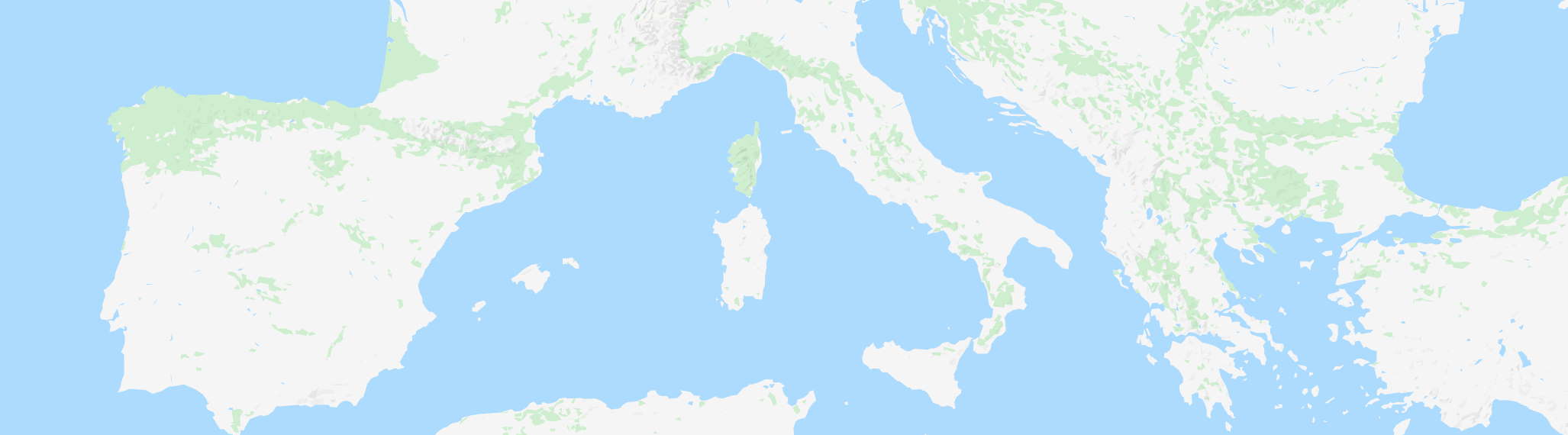
Click to show the map