Central Croatia (locally known as Središnja Hrvatska) is the country’s heartland—a region of rolling green hills, medieval castles, and baroque cities that offers a stark, lush contrast to the rocky Adriatic coast. It is the political, economic, and cultural core of Croatia, centered around the capital city, Zagreb.
From Krapina's Neanderthal Site to Zagreb's Illyrian Movement
Central Croatia has served as a strategic "buffer state" for centuries, earning the title Antemurale Christianitatis (Bulwark of Christianity) during the Ottoman wars.
Early Roots: Inhabited since prehistoric times (the Krapina Neanderthal site is world-famous), it was later settled by Illyrians, Romans, and then Croats in the 7th century.
The Royal Seat: The region became the center of the medieval Croatian Kingdom. After 1102, it entered a union with Hungary, eventually becoming part of the Habsburg Monarchy in 1527.
The "Relics of Relics": Much of the region was lost to Ottoman conquest; the remaining core was famously called the "relics of the relics of the formerly great Kingdom of Croatia."
Modernity: Zagreb was a major center for the 19th-century Illyrian Movement (a national cultural revival) and remains the engine of the modern Republic.
Hearty Dishes Shaped by Austro-Hungarian Traditions
The cuisine here is hearty, meat-forward, and influenced by Austro-Hungarian traditions.
Štrukli: The region's most iconic dish. It is a thin-dough pastry filled with cottage cheese, eggs, and sour cream, which can be boiled or baked (salty or sweet).
Purica s mlincima: Roasted turkey served with mlinci—traditional thin, dried flatbread that is broken up and soaked in the turkey's roasting juices.
Kremšnita: A legendary custard cream cake from the town of Samobor.
Zagrebacki odrezak: A breaded veal (or pork) cutlet stuffed with ham and cheese, similar to a Cordon Bleu.
Wine: The hilly regions of Medimurje and Zagorje produce excellent white wines, particularly Graševina and Riesling.
The Green Gold: Plitvice, Lonjsko Polje and Zagorje
While the coast has the sea, Central Croatia has "The Green Gold."
Plitvice Lakes National Park: A UNESCO World Heritage site featuring 16 terraced lakes connected by spectacular waterfalls. It is arguably Croatia's most famous natural wonder.
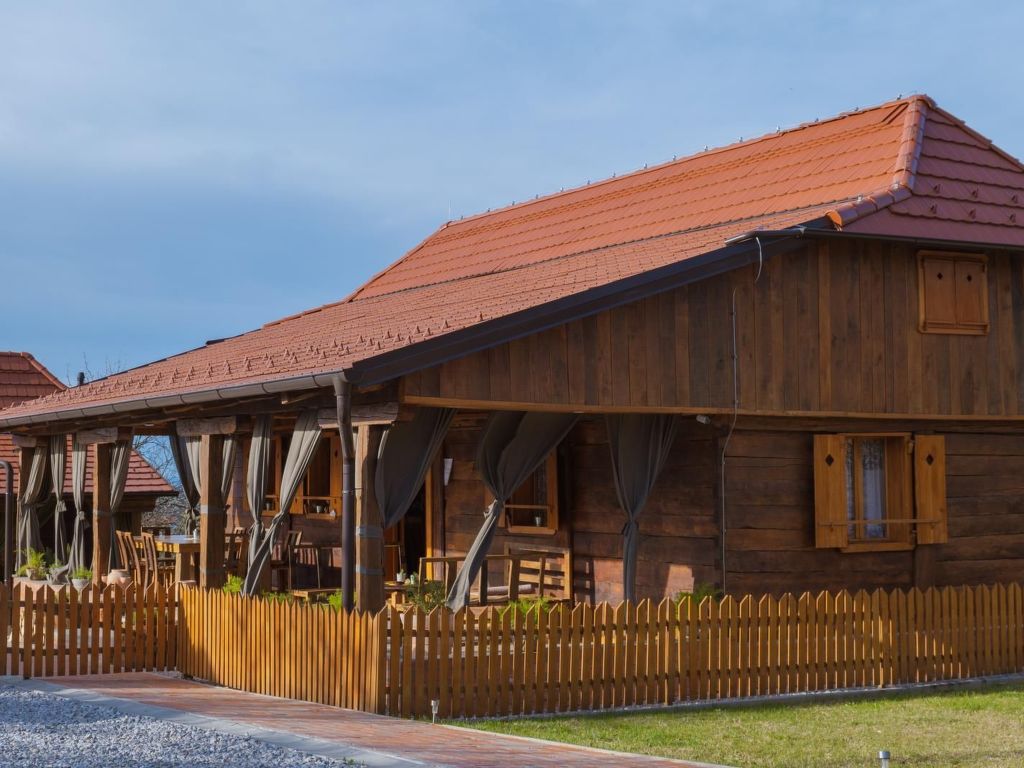
Lonjsko Polje: One of the largest protected wetlands in Europe, with traditional wooden houses and a sanctuary for storks.
Medvednica Nature Park: The mountain "lung" of Zagreb, popular for hiking in the summer and skiing in the winter.
Rolling Hills of Zagorje: Often compared to Tuscany, this area is all vineyards and mist-covered hills.
Castles, Thermal Spas and Festivals Across Central Croatia
Castle Hopping: Visit Trakošcan Castle, a romantic 13th-century fortress, or Veliki Tabor, rich in local legends.
Advent in Zagreb: Often voted the best Christmas Market in Europe, the city transforms into a winter wonderland from late November to January.
Špancirfest (Varaždin): A massive street festival in late August where the streets of the former capital fill with performers, musicians, and craftsmen.
Thermal Spas: The region is dotted with "Toplice" (thermal spas) like Tuheljske or Krapinske, utilizing natural healing waters used since Roman times.
Museums: Zagreb boasts the highest number of museums per capita, including the quirky Museum of Broken Relationships.