{{filter.label}}
Find your perfect holiday home in Croatia: Large selection of villas and holiday apartments
Croatia: A Mediterranean Jewel
Croatia is a Mediterranean jewel, where the Roman ruins of the coast meet the Austro-Hungarian charm of the interior.
Whether you stroll through the "Pearl of the Adriatic" or hike through emerald forests, you'll find a country defined by its resilience and breathtaking landscapes. Here's a guide to everything Croatia has to offer, from its layered history to its tasty pašticada.
History: A crossroads of empires
Croatia's history is a complex tapestry woven by the world's greatest powers.
Ancient roots
The region was once part of the Roman Empire; Diocletian's Palace in Split remains one of the world's most complete Roman structures.
Kingdom and Unions
A Croatian Kingdom emerged in 925 under King Tomislav, who later entered into a personal union with Hungary and eventually fell under the Habsburg Monarchy.
20th century
After World War I, Croatia became part of Yugoslavia. After a turbulent struggle for independence in the early 1990s (the Homeland War), Croatia emerged as a sovereign democratic nation and became a member of the EU in 2013.
Description
Croatia is a country of "Sunce" (Sun) and "Mere" (Sea). Its crescent shape hugs the Adriatic coast and boasts over 1,200 islands. To the north, the capital Zagreb offers a "Kava" (Coffee) culture that rivals Vienna, while the Dalmatian coast is a paradise of limestone cliffs and ancient stone towns.
It is the perfect place for a Godišnji odmor (Annual vacation). You can spend your days on a Plaža (Beach) or enjoy the Ljeto (Summer) breeze on a sailboat.
Typical Foods: A Tale of Two Cuisine
Croatian cuisine is divided between hearty Central European flavors and light Mediterranean seafood.
Crni Rižot A savory black risotto colored with squid ink.
Istrian Fuži with Truffles Hand-rolled pasta served with world-class local truffles.
Zagreb Štrukli A thin, drawn dough filled with cottage cheese, baked or boiled.
Slavonian Kulen A spicy, premium dry-cured mass flavored with red paprika.
Coastal Peka Meat or squid slow-roasted under a bell-shaped lid covered in embers.
Activities and Nature
Croatia is an outdoor playground.
National Parks: Plitvice Lakes and Krka are famous for their cascading waterfalls and turquoise pools.
Island hopping: Take a ferry to Hvar for nightlife,
Brac for the famous Zlatni Rat beach, or Vis for unspoiled military history and caves.
Wall walking: Cross Dubrovnik’s medieval defensive walls for a bird’s-eye view of the terracotta roofs.
Shops and souvenirs
The tie (Kravata): Did you know that the tie originated here? Look for high-quality silk ties in Zagreb.
Lavender: The island of Hvar is famous for its purple fields; lavender bags and oils are everywhere.
Licitar hearts: Brightly decorated, heart-shaped gingerbread cookies (traditionally from Zagreb).
Paški Sir: A world-famous, salty sheep’s cheese from the island of Pag.
Festivals
Rijeka Carnival: One of Europe's largest and most colorful pre-Lent celebrations.
Dubrovnik Summer Festival: A prestigious arts festival (July-August) featuring theater and classical music in historic open-air venues.
Ultra Europe: For music lovers, this massive electronic dance festival takes over Split every July.
Advent in Zagreb: Often voted the best Christmas market in Europe, it transforms the capital into a winter wonderland.
169 regions in Find your perfect holiday home in Croatia: Large selection of villas and holiday apartments. Show all
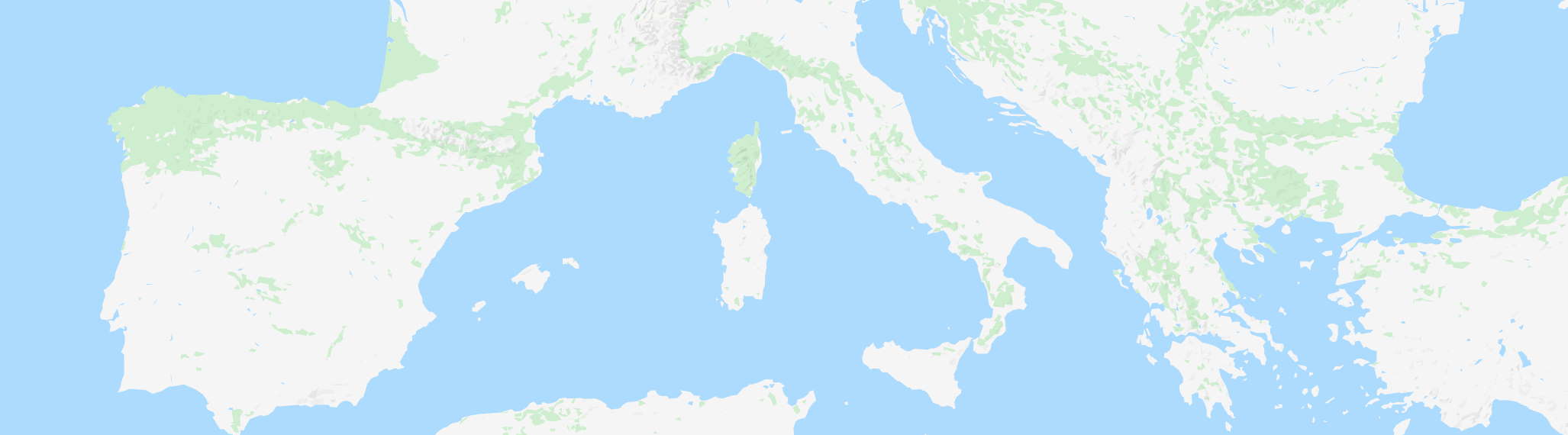
Click to show the map